
Table of Contents
In the United States, screen time has silently shifted from entertainment to childcare support.
- Busy work hours
- Dual-income households
- Long commute culture
- After-school exhaustion
- Academic screen expectations
- Digital homework portals
- Tablet-based reward systems
- YouTube/Netflix Kids dominance
Screens have become babysitter, teacher, mood regulator, entertainer, sleep aid & tantrum pacifier.
📌 But here is what American pediatric research now confirms:
excessive screen stimulation reshapes emotional regulation, sleep cycles, and attention wiring in children aged 2–12.
This isn’t about banning screens in the USA.
It’s about controlled, conscious usage so kids can grow without dopamine hijack.
| Driver | Impact |
|---|---|
| Smart classrooms in every grade | screens seen as “education essential” |
| Early access to iPads/tablets | screens become self-soothers at age 2–3 |
| Tech-saturated culture | constant app/game exposure normalization |
| Working parents + no extended family | screens fill caregiver gap |
| Cocomelon, Roblox, Fortnite, TikTok Kids | dopamine spikes, fast-cut overstimulation |
| School Chromebook programs | digital dependency built into academics |
In India, UAE, Africa, Philippines — screens are optional play.
In the USA — screens are primary ecosystem.
This means:
- higher dependency
- lower boredom tolerance
- bedtime meltdowns
- emotional withdrawal after screen off
| Age Group | Daily U.S. Recommended Limit | Notes |
|---|---|---|
| 0–18 months | No screen (except video calls) | neural network rapid formation |
| 18–24 months | Very limited, co-watched only | no fast-reel content |
| 2–5 years | 1 hour/day | avoid hyper cartoons & app jumps |
| 6–10 years | 1.5 hours/day | break into two sessions |
| 11–14 years | 2 hours/day | avoid dopamine loop apps |
| 15–18 years | 2.5–3 hours/day | include offline hobbies |
⚠ USA Pediatric Behavioral Research Warning:
Children consuming 2–4+ hours/day show higher:
- sensory dysregulation
- attention fragmentation
- refusal behavior
- irritability spikes
- late sleep onset
When American kids feel:
- bored → screen
- upset → screen
- hungry → screen
- sleepy → screen
- tantrum → screen
- car ride → screen
- restaurant → screen
dopamine replaces emotional learning.
Screens become:
- pacifier
- sedation tool
- reward currency
- calm regulator
But children must learn to regulate using:
- breathing exercises
- playtime
- storytelling
- movement
- emotion labeling
- sensory relief
When screen = comfort → real world becomes stressful.
American parents widely use screens:
- as wind-down
- as bedtime cartoon routine
- as post-dinner quiet time
But melatonin production shuts down after:
- blue light
- high-speed visual transitions
- dopamine spikes
Impact:
- late sleep
- restless REM
- middle night crying
- morning aggression
- refusal to wake for school
📌 USA Sleep Foundation Rule:
No screen 2 hours before bedtime.
Swap:
- warm lamps
- audio bedtime stories
- soft music
- cuddling
- lavender room mist
- night routine countdown
Reality:
U.S. parents often rely on screens in restaurants, gyms, travel, grocery runs.
Why?
Public meltdowns feel socially embarrassing.
But…
Better alternatives:
- coloring menu
- sensory pouch (fidget, stickers, soft toy)
- whisper story game
- “table talk card” (fun Q&A)
When dopamine isn’t the only calming tool, kids stabilize long-term.
Kids obey systems more than commands.
| Time | Purpose |
|---|---|
| After school snack | 30 minutes screen |
| 6 PM | outdoor / movement play |
| 7 PM | family dinner (screen-free) |
| 8 PM | reading / calm zone |
| 9 PM | sleep routine–no screens |
USA kids accept transitions when timing is non-negotiable and consistent.
❌ Eating with screens
❌ Screen for soothing crying
❌ Screen reward for homework
❌ 0–2 age YouTube exposure
❌ Bedtime cartoons
❌ Sensory meltdown → tablet rescue
Every time screen = rescue → regulation dies.
“5 minutes left… 2 minutes… last 1 minute.”
When screen goes off:
- clay
- Legos
- doodle pad
- kinetic sand
- puzzles
Never yank tablet → meltdown guaranteed.
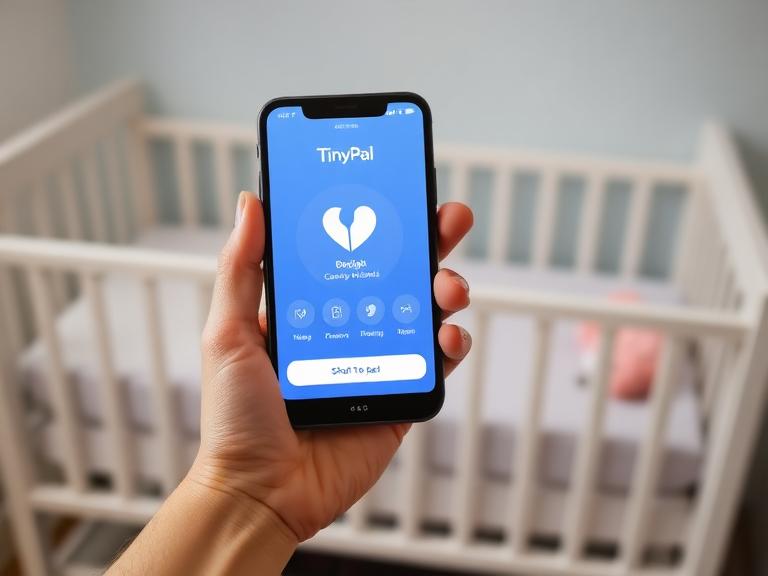
TinyPal is built for American lifestyle schedules:
- office stretch hours
- homework apps
- Chrome book dependencies
- multitasking parenting
It tracks:
- peak meltdown time
- overstimulation apps
- sleep disruption link
- transition resistance pattern
Then creates:
- custom off-screen evening plan
- bedtime dopamine detox
- low-stimulation viewing list
- tantrum-free transition scripts
TinyPal is not anti-tech.
It is pro-healthy tech childhood.
Screen-free life is unrealistic in the USA.
But balanced screen childhood is absolutely achievable.
When screens assist life → growth thrives.
When screens replace life → regulation collapses.
You are not removing joy.
You are restoring childhood.
