
Table of Contents
Dubai isn’t just a city; it’s a gateway that connects the world’s trade routes. From luxury goods to raw materials, every shipment that passes through this global metropolis contributes to the UAE’s vision of becoming a leading logistics and trade hub.
Behind this success lies an intricate web of import and export services operating across various districts and industrial zones in Dubai — each city offering unique advantages in infrastructure, customs efficiency, and international connectivity.
This in-depth guide explores how import and export services in Dubai function, the most popular business cities powering trade, and how businesses leverage them for growth in global markets.
Over the past two decades, Dubai has transformed into one of the most strategically significant logistics centers in the world. Its ports, airports, and free trade zones create a seamless environment for importing and exporting goods across continents.
The emirate’s commitment to zero trade barriers, digital customs systems, and 24/7 logistics operations makes it the go-to hub for businesses from Asia, Africa, Europe, and the Americas.
According to the Dubai Chamber of Commerce, over 85% of UAE imports and exports pass through Dubai — a testament to its central role in regional and global commerce.
Let’s explore the popular cities and logistics districts that make Dubai’s trade ecosystem one of the most efficient in the world:
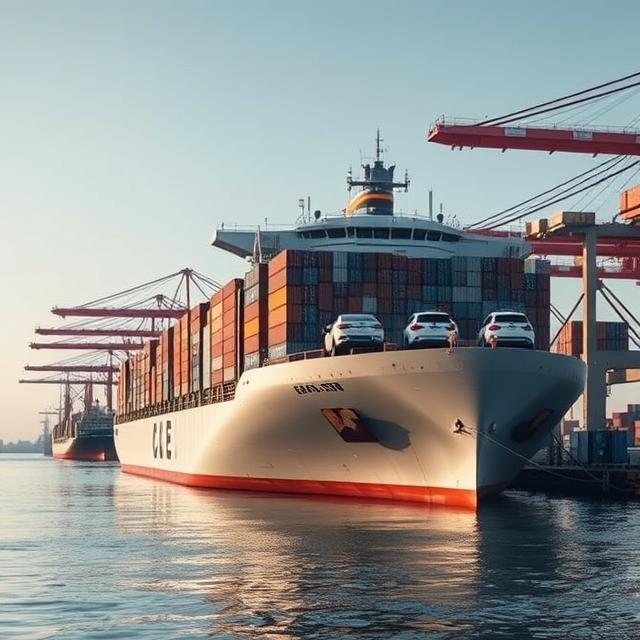
Home to Jebel Ali Port and JAFZA (Jebel Ali Free Zone), this area is the beating heart of Dubai’s shipping and industrial logistics. It’s the largest port in the Middle East and one of the top 10 busiest globally.
- Specialization: Container shipping, machinery, automotive, and bulk cargo
- Connectivity: Linked by sea, air, and land to 180+ shipping lines
- Advantages: 100% foreign ownership, no customs duties, direct sea-air access
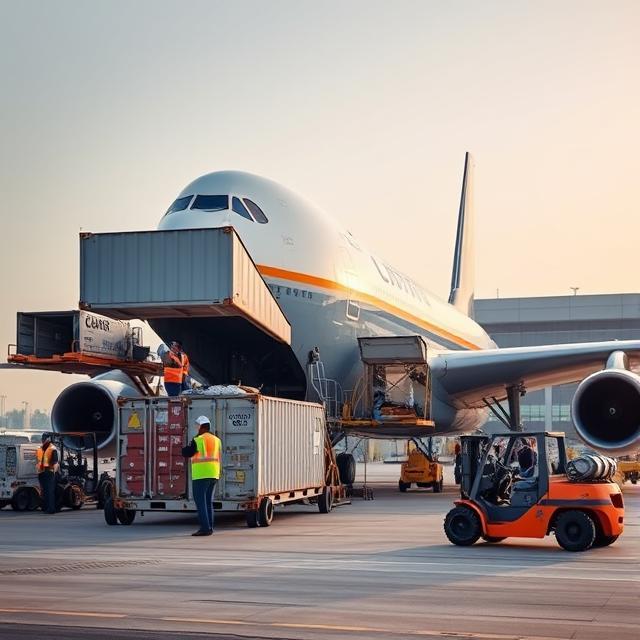
Dubai South, located near Al Maktoum International Airport, was built specifically for integrated logistics and aviation services.
- Specialization: Air freight, eCommerce, and fast-moving consumer goods (FMCG)
- Key Asset: Direct access between air cargo terminals and bonded warehouses
- Future Potential: A global hub for express logistics and drone-based deliveries
Historically known for trading gold, textiles, and spices, Deira remains one of the oldest commercial hubs.
- Specialization: Traditional trade, re-exports, and small-scale importers
- Relevance Today: Key zone for B2C traders, retail logistics, and SMEs
A manufacturing and distribution powerhouse that supports the region’s industrial supply chains.
- Specialization: Construction materials, energy, chemicals, and metals
- Key Strength: Road connectivity to all UAE ports and Saudi Arabia
DAFZA integrates air freight services with customs-free import/export operations, making it ideal for time-sensitive goods.
- Specialization: Electronics, medical equipment, luxury products, and aviation supplies
- Advantage: Immediate airside access for faster turnaround times
Every import and export company in Dubai follows a strategic process designed for speed, transparency, and compliance.
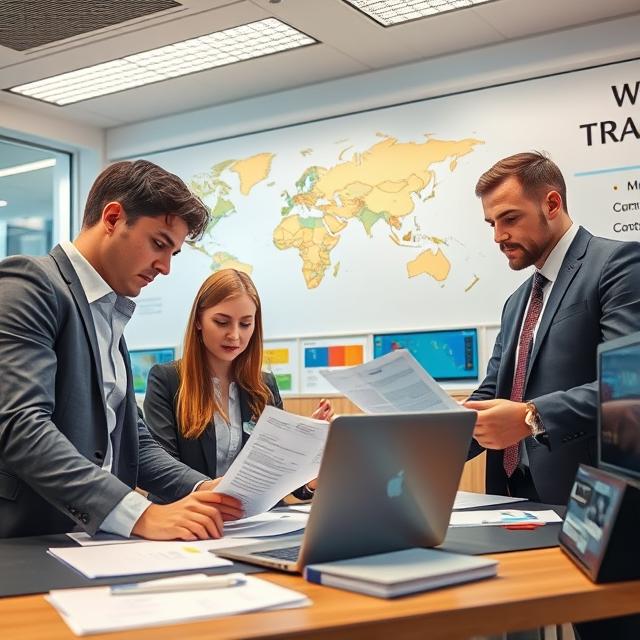
- Customs Documentation Submission – Importers provide a Bill of Lading, invoice, packing list, and certificate of origin.
- Clearance and Inspection – Dubai Customs uses smart systems to pre-clear shipments digitally.
- Duty Calculation and Payment – Import duties are applied depending on product type and origin.
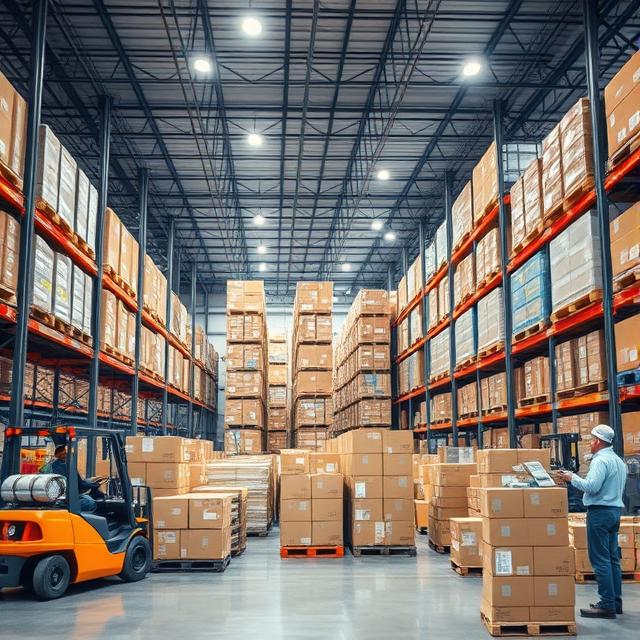
- Delivery to Warehouse or Distribution Center – Goods are then moved for storage or local distribution.
- Export Declaration Filing – Exporters register shipment details online through Dubai Trade Portal.
- Approval from Customs Authorities – Inspection is conducted for restricted items.
- Freight Booking – Companies arrange sea, air, or land shipment depending on destination.
- Final Clearance and Dispatch – Goods are dispatched through ports or airports to global markets.
The government’s “Dubai Trade” e-platform has simplified both processes, allowing traders to manage everything online — from documentation to cargo tracking.
Dubai’s trade landscape is as diverse as its economy. Major commodities include:
- Electronics and technology goods
- Precious metals and jewelry
- Vehicles and automotive parts
- Food products and beverages
- Construction materials
- Petroleum derivatives and chemicals
- Gold, diamonds, and precious stones
- Machinery and equipment
- Aluminum and steel products
- Re-exported consumer goods
This diversity highlights Dubai’s dual role — as both a manufacturing re-export center and a consumer import destination.
Free zones are vital to Dubai’s import-export operations. They provide incentives like:
- 100% foreign ownership
- Exemption from import/export duties
- Full repatriation of profits
- Simplified customs clearance
Popular zones include JAFZA, DAFZA, Dubai Multi Commodities Centre (DMCC), and Dubai Industrial City. Each is strategically located to support specific industries — from commodities and logistics to manufacturing and tech.
Dubai Customs has embraced digital transformation through AI-driven scanning, blockchain documentation, and automated payment systems.
Businesses benefit from:
- Faster clearance times
- Reduced paperwork
- Advanced risk assessment systems
- 24/7 customs assistance
This ensures that trade remains secure, compliant, and transparent — a major factor behind Dubai’s logistics competitiveness.
Businesses leveraging Dubai’s trade ecosystem gain multiple advantages:
✅ Global Reach: Access to over 200 international destinations
✅ Multi-Modal Connectivity: Seamless integration between sea, air, and land freight
✅ Cost Efficiency: Duty exemptions, optimized routes, and free zone incentives
✅ Trade Facilitation: Paperless customs and smart logistics
✅ Business Growth: Ideal base for distribution to GCC, Africa, and Europe
Digital transformation continues to redefine logistics efficiency. Some of the most impactful technologies include:
- Blockchain for secure documentation
- AI for predictive route optimization
- IoT-based tracking sensors
- Robotic warehousing for fast order fulfillment
- Automated customs systems for reduced clearance delays
Together, these tools make Dubai’s import-export operations among the fastest and most reliable globally.
Even a trade leader faces challenges like:
- Port congestion during peak seasons
- Regulatory updates for dual-use goods
- Rapidly evolving global freight costs
To mitigate these, Dubai’s trade ecosystem continues to upgrade through port expansions, customs digitalization, and collaboration with global logistics partners.
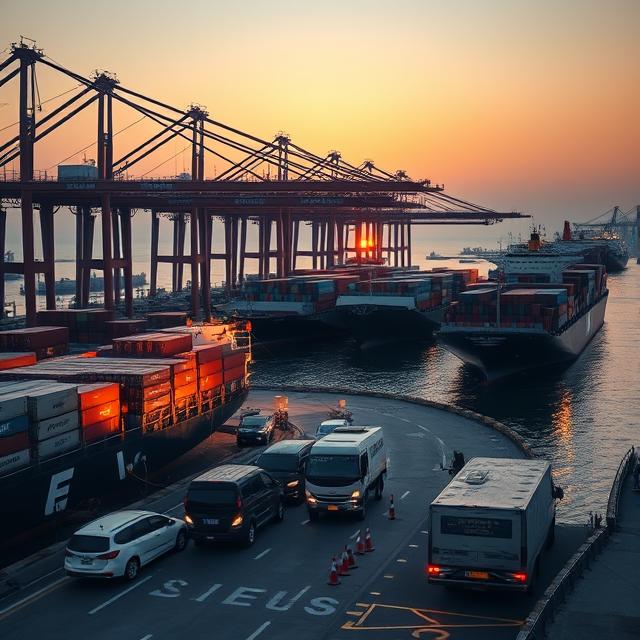
Dubai’s Vision 2030 aims to make it the world’s first fully digital logistics hub, integrating AI, autonomous freight, and sustainable infrastructure.
Key future drivers include:
- Green logistics and low-emission vessels
- Paperless trade ecosystems
- Hyperloop and smart cargo terminals
- AI-driven supply chain forecasting
Dubai’s combination of policy, infrastructure, and innovation ensures that its import and export services will remain unmatched in speed, reliability, and global reach.
