
Table of Contents
Walking through the diverse neighborhoods of Chennai—from the bustling commercial lanes of T. Nagar to the quiet, leafy streets of Adyar—you will notice a vibrant wellness culture. However, with dozens of studios and hundreds of instructors, finding the “right” class can feel overwhelming.
Choosing the best yoga class in Chennai isn’t about picking the most expensive studio or the one with the flashiest social media presence. It is about finding a space where you feel safe, heard, and physically supported. Whether you are a total beginner or a seasoned practitioner, your environment directly impacts your progress.
This guide provides a compassionate, practical framework for evaluating studios and instructors. We will move beyond the marketing fluff to focus on what truly matters: your long-term health, alignment, and comfort.
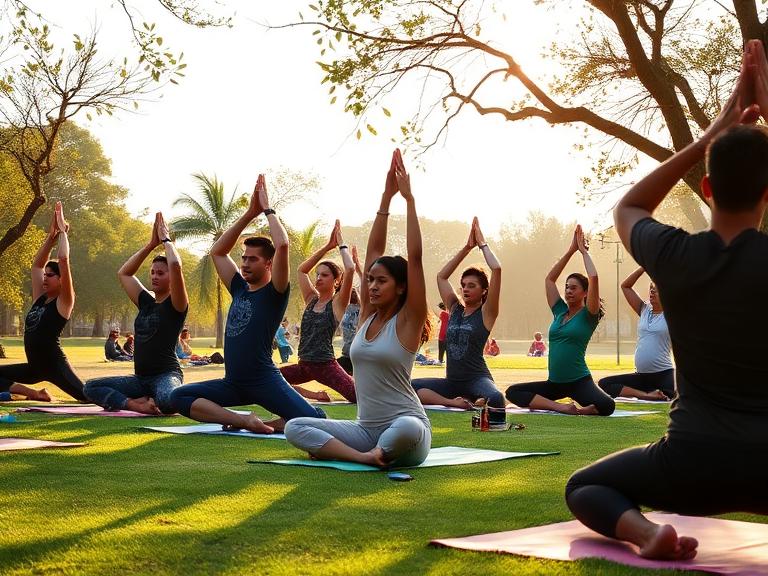
Yoga Class Definition: A yoga class is a guided practice session where a certified instructor leads students through a sequence of physical postures (asanas), breath-control techniques (pranayama), and often mindfulness or meditation, aimed at improving physical strength, flexibility, and mental well-being in a group or private setting.
Yoga is not a “one-size-fits-all” activity. If you join a high-intensity Power Yoga class when your body actually requires therapeutic, restorative movement, you risk burnout or injury rather than healing.
A well-chosen class becomes an anchor in your week. It is a time when the noise of Chennai’s traffic fades, replaced by the rhythm of your own breath. When you resonate with the teaching style and the studio’s atmosphere, you are far more likely to stick with the practice. Consistency is the primary ingredient in yoga’s “success recipe.”
To find the best fit, treat your search like a mini-interview. Follow these steps:
- Define Your Goal: Are you looking to heal an injury, manage high stress, or build athletic strength?
- Check the Lineage: Does the studio follow a specific tradition (e.g., Sivananda, Iyengar, or Vinyasa)?
- Evaluate Accessibility: If the studio is too far, you will eventually stop going. Prioritize proximity.
- Prioritize Small Batches: Look for studios that cap class sizes at 10–12 students. This ensures the instructor can actually see your alignment and correct it.
- Schedule a Trial: Never commit to a multi-month membership without testing a single “drop-in” class first.
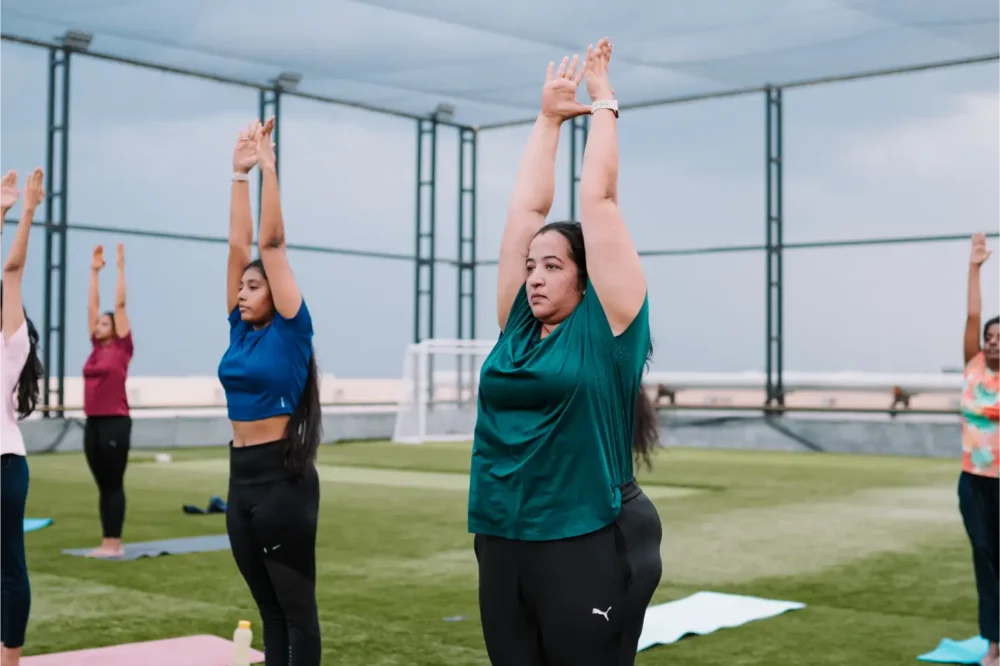
When you find a class that fits your needs, the transformation is holistic:
- Physical: Improved posture, reduced chronic pain, and enhanced joint mobility.
- Mental: A measurable decrease in cortisol levels, improved focus, and a feeling of “mental space” in your busy day.
- Emotional: A sense of belonging to a community and the comfort of having a “neutral space” where you don’t have to be a boss, parent, or student—just yourself.
If you are just starting, don’t rush into the “Advanced” batches. Look for classes explicitly labeled “Foundation,” “Level 1,” or “Gentle Hatha.”
In Chennai, many instructors offer a “Foundations” course that spans 4 to 8 weeks. These are excellent because they teach you the basics of how to breathe and how to position your body, preventing injuries before they happen. Approach your first class with curiosity, not comparison. You are there to learn, not to perform.
- “Yoga is just stretching.” It is so much more. It involves mental discipline and anatomical precision.
- “I need to be flexible to start.” This is like saying you need to be clean to take a bath. You go to yoga to become flexible.
- “More expensive equals better.” Not necessarily. Some of the most experienced teachers in Chennai teach in modest, community-focused settings.
- Ask about “Modifications”: During your trial class, ask the instructor if they can help you modify a pose if your knees or back hurt. If they cannot answer, they may not be adequately trained.
- Observe the “Vibe”: Does the instructor greet students? Is the space clean and calm? Trust your gut feeling—the energy of the room is often as important as the technique.
- Verify Credentials: It is okay to ask an instructor about their training hours. A minimum of a 200-hour certification is the industry standard.
Anjali worked in an IT firm in OMR. She tried a high-intensity studio, but it left her exhausted. After talking to a friend, she switched to a therapeutic Hatha class in a quieter studio in Adyar. The slower pace helped her release shoulder tension built up from her desk job, and she eventually saw an improvement in her sleep.
Mr. Murthy, aged 65, wanted to improve his balance. He was intimidated by gyms. He found a “Chair Yoga” batch that met in a community center. Because the instructor was patient and focused on balance rather than speed, he gained the confidence to move safely without the fear of falling.
1. How do I know if a yoga class is “safe”? A safe class is one where the instructor emphasizes alignment, asks about your medical history, and provides modifications for injuries.
2. Is it better to practice at a studio or at home? For beginners, a studio is better because an instructor can provide real-time corrections to prevent injury.
3. What should I do if I feel pain during a pose? Stop immediately. Pain is the body’s warning signal. Always inform your instructor if you feel discomfort.
4. How many times a week should I go? Two to three times a week is a great start for beginners to see consistent progress.
5. Do I need to buy expensive gear? No. Start with comfortable clothes and a basic, non-slip yoga mat. You don’t need fancy props until you are more advanced.
6. Can I join if I have a pre-existing medical condition? Yes, but you must inform your instructor and get approval from your doctor before beginning any physical exercise program.
7. How long does it take to see results? You will likely feel a mental shift after the very first class. Physical benefits like flexibility usually show after 4–6 weeks of consistent practice.
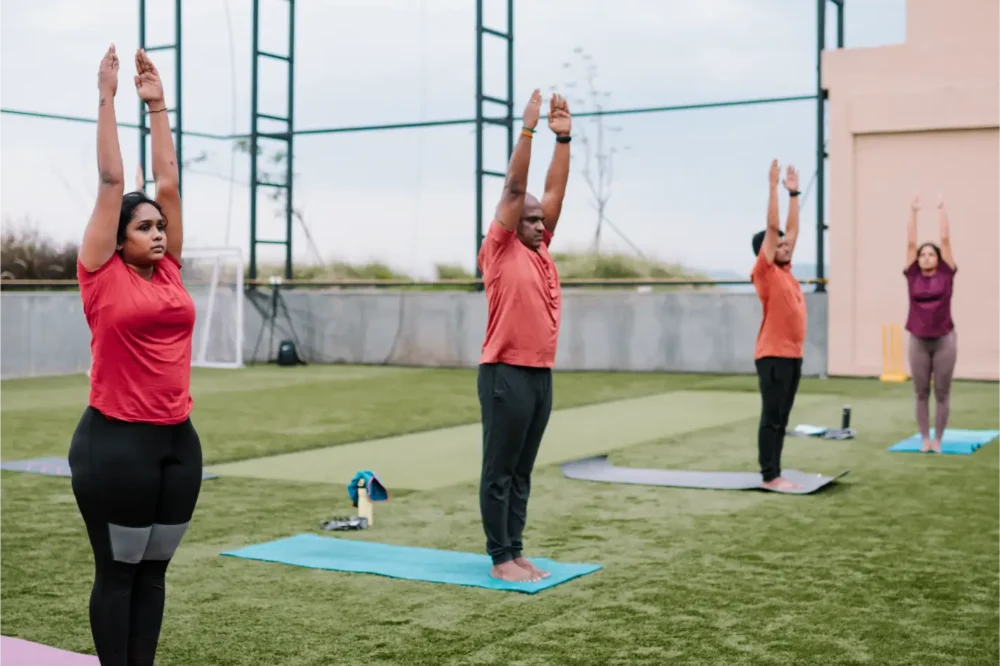
Choosing a yoga class is a deeply personal act of self-care. It’s an investment of your time, energy, and resources. Take your time, visit a few studios, and notice how you feel when you leave the mat.
If you leave feeling lighter, calmer, and more connected to yourself, you have found the right place. Chennai has a wonderful, growing community of wellness practitioners—take the time to find your spot within it.
Would you like me to help you draft a checklist you can take with you when you visit your next studio?
